

Regain Balance and Confidence with Vestibular Physio
Dizziness, vertigo, and balance problems can affect walking, movement, and everyday confidence. Our vestibular physiotherapy treatments focus on improving balance, reducing dizziness, and helping individuals feel steadier and more comfortable in daily life.
At Xcel Health, we provide dedicated vestibular rehabilitation for inner ear conditions, balance disorders, movement sensitivity, and vestibular dysfunction affecting mobility and stability.
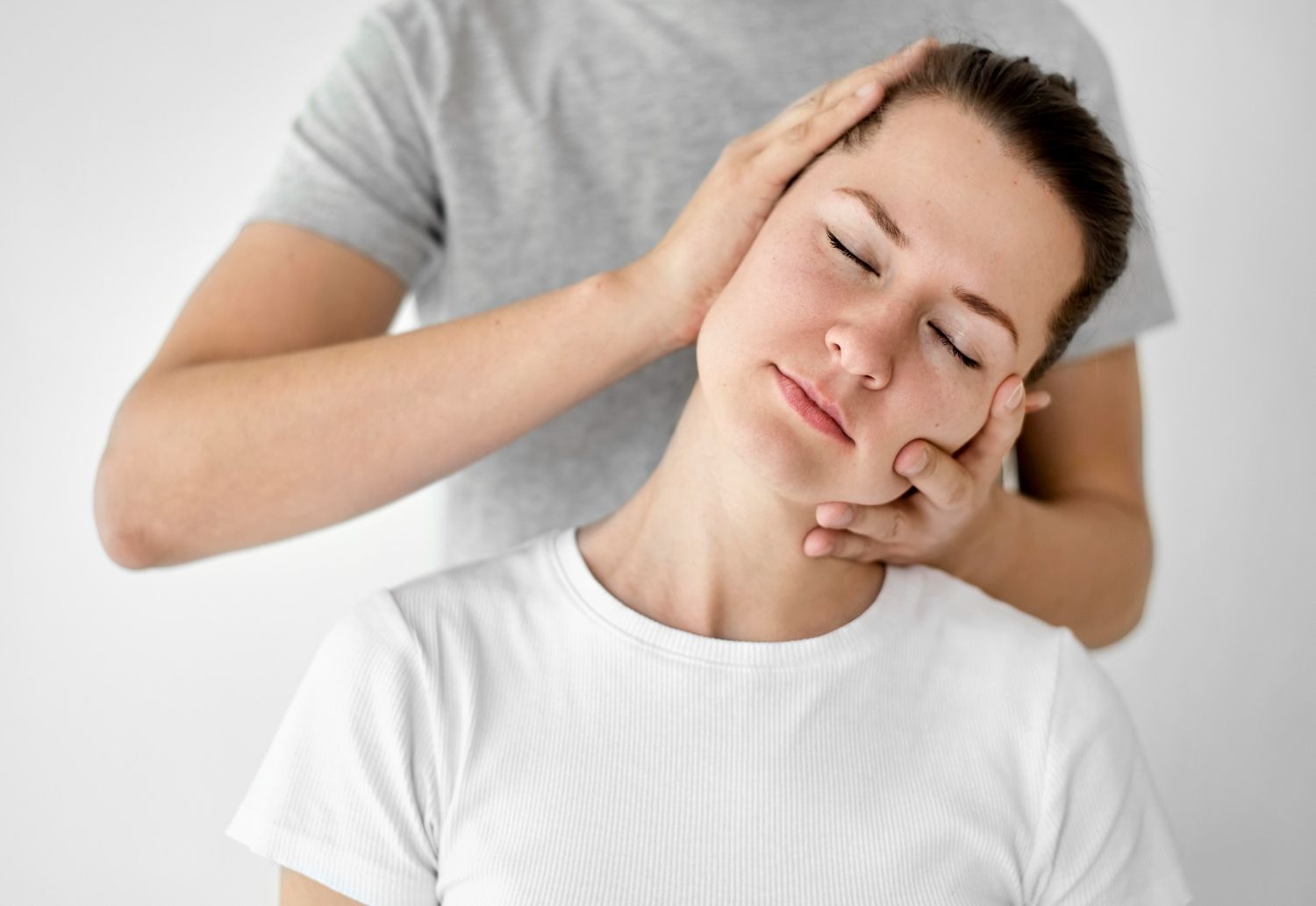
Conditions We Can Help With
We provide support for a range of balance and movement-related concerns:
 Vertigo and dizziness disorders
Vestibular balance problems
Inner ear-related movement sensitivity
Walking instability and coordination issues
Balance difficulties and fall risk
Motion sensitivity and visual dizziness
Vestibular weakness and rehabilitation needs
Persistent balance-related symptoms
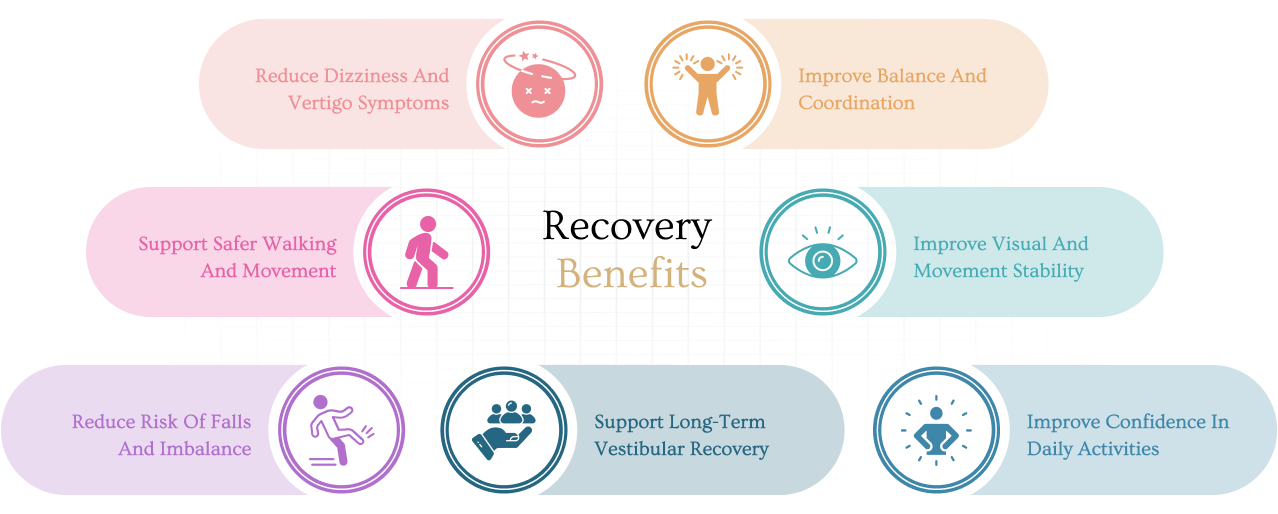
Benefits of Vestibular Physiotherapy
Personalised treatment can support breathing control, recovery, and daily function.
Could Physiotherapy be Right For You?

 Book a FREE taster session
 Book an appointment
Treatment Options
Your treatment may include balance therapy, gaze stability exercises, coordination training, and targeted rehabilitation for vestibular-related conditions.
We focus on helping you feel steadier, safer, and more confident in your day-to-day movement.

Our Approach at Xcel Health
Every treatment plan begins with a detailed vestibular assessment to understand balance function, dizziness triggers, movement sensitivity, and mobility limitations.
We combine evidence-based vestibular rehabilitation with guided physiotherapy programs designed to improve balance control, coordination, and long-term recovery.

Areas We Serve
We support across Kent and South East London with personalised specialist care, including:
FAQs
Vestibular physiotherapy helps manage dizziness, vertigo, balance problems, and movement sensitivity caused by vestibular disorders.
Yes, vestibular rehabilitation exercises can help reduce vertigo symptoms and improve balance control.
Vestibular issues can result from inner ear disorders, neurological conditions, infections, or movement sensitivity affecting balance.
Treatment may include balance exercises, gaze stabilization training, movement retraining, and coordination-focused rehabilitation.
Yes, improving balance, coordination, and movement stability can help reduce fall risk and improve walking confidence.
Testimonials

Very friendly, caring, efficient, understanding and thorough care for vestibular physio - a big thanks Hannah! Nick was great 3+ years ago too, so I returned to this clinic, it's great the level of care is still brilliant.
Hannah has been treating me for several weeks for chronic dizziness caused by a vestibular disorder. She quickly diagnosed BPPV and has been treating me for this condition with very positive outcomes. Hannah is clearly highly specialised in this area and at all times has shown a great deal of care & professionalism.
Xcel Health Blogs
 Physiotherapy . Manali Pandav
