

Physiotherapy
Aashima Saini
June 2, 2026
When the weather gets warmer, many people look forward to longer days, outdoor activities, and a more active lifestyle. However, if you are living with a musculoskeletal condition or recovering from an injury, you may notice something unexpected- your symptoms can feel different in the heat.
Some people report feeling more tired than usual, others notice increased stiffness or aching in their joints, and some feel like their usual exercise routine suddenly feels more demanding. While hot weather does not cause damage to muscles or joints, it can influence how your body responds to load, movement, and recovery.
Understanding these changes can help you manage your symptoms more effectively and stay active throughout the summer months.
Why your body feels different in hot weather
Your body is constantly working to regulate its internal temperature. When the weather is hot, this system has to work harder, which can indirectly affect how your muscles and joints feel and function.
One of the main factors is dehydration. Even mild fluid loss can affect muscle performance, joint lubrication, and overall energy levels. This may lead to sensations of tightness, cramps, or early fatigue during activity.
Hot weather can also increase blood flow to the skin and superficial tissues as the body tries to cool itself. While this is a normal response, it can sometimes make you more aware of aches, swelling, or heaviness in the limbs, especially if you already have an underlying injury or inflammatory condition.
Fatigue is another important factor. In warmer conditions, your body uses more energy to maintain a stable temperature. As a result, you may find that activities such as walking, exercising, or even daily tasks feel more tiring than usual. When fatigue sets in, movement patterns can also change slightly, which may place extra load on certain muscles or joints.
Sleep can also be affected during hot weather, particularly if nights are warm or uncomfortable. Poor sleep is closely linked to increased pain sensitivity and reduced recovery, which may explain why symptoms sometimes feel worse the next day.
Common symptoms people notice
During warmer periods, it is not unusual to experience:
- Increased joint stiffness, particularly after rest
- Muscle fatigue during walking or exercise
- A general feeling of heaviness in the legs or arms
- Mild swelling in previously injured areas
- Reduced tolerance for usual activity levels
These symptoms are usually temporary and tend to settle once hydration, activity levels, and rest are optimised.
Staying active in hot weather
One of the most important things to remember is that movement remains essential- even in the heat. The key is to adapt, not stop.
Choosing the right time of day for activity can make a big difference. Early mornings or later evenings are often more comfortable and allow you to exercise without placing unnecessary stress on your body.
Pacing is also important. Instead of completing longer sessions, breaking activity into shorter, more manageable periods can help reduce fatigue while still maintaining consistency.
It is also helpful to listen to your body more closely than usual. If you notice early signs of fatigue, it may be better to reduce intensity slightly rather than push through, as overexertion in hot weather can sometimes lead to longer recovery times.
Simple strategies to manage symptoms
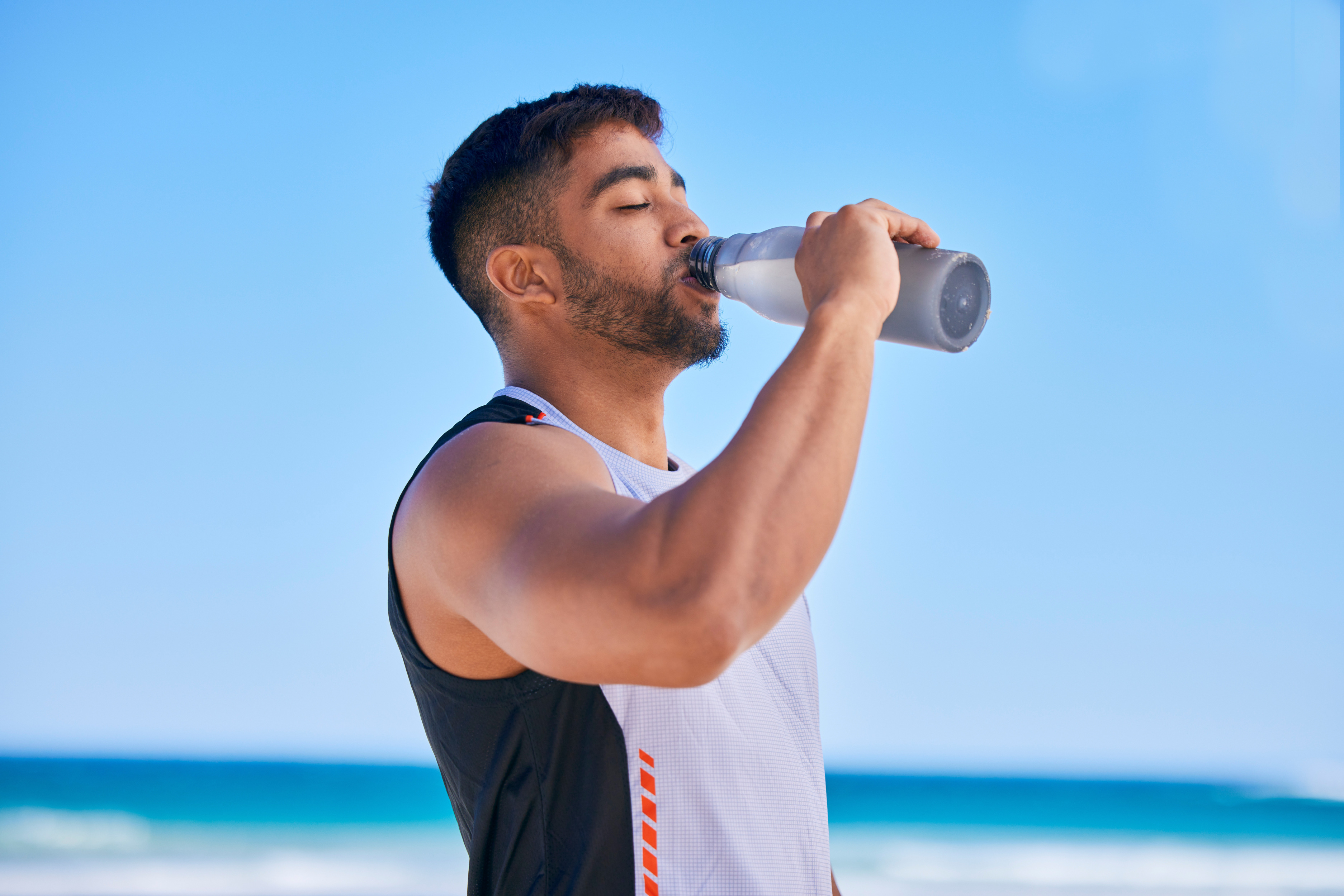
Hydration plays a key role in how your body responds to heat. Drinking water regularly throughout the day can support muscle function, reduce cramping, and help maintain energy levels. If you are more active or sweating more than usual, you may need to increase your fluid intake further.
Cooling strategies can also be useful. Taking cool showers after activity, using cold packs on sore areas, or spending time in shaded and well-ventilated environments can help regulate your symptoms and improve comfort.
If you are exercising, consider adjusting your environment. Indoor workouts, lighter clothing, and well-ventilated spaces can make exercise more manageable during particularly warm days.
Recovery should also be prioritised. Ensuring good sleep hygiene, avoiding late evening exertion, and allowing adequate rest between sessions will all support your body’s ability to
Final thoughts
Hot weather can have a noticeable impact on how your body feels and performs, particularly if you are managing a musculoskeletal condition. However, these changes are usually temporary and can be managed effectively with a few simple adjustments.
Staying hydrated, pacing your activity, and maintaining gentle, regular movement are some of the most effective ways to stay on track during warmer months. Rather than stopping activity, the goal is to adapt your routine so that your body can continue to move comfortably and safely.
If you learn to work with your body’s responses rather than against them, you can continue making progress with your recovery or fitness goals- whatever the weather.
Ready to start your recovery journey?
Book an assessment with our expert physiotherapists today.
